Toilet rocks when you sit down
We pull the toilet, check the flange and floor contact, and reset the bowl with proper shims and new bolts. If the flange is cracked, we replace it. The toilet goes back down flat and stays flat.
Toilet Rough-In Repair Phoenix AZ homeowners call us for is the work under the bowl, not the parts you can see. We pull the toilet, check the flange, measure the rough-in, and rebuild the seal so the fixture sits flat and drains clean. If your toilet rocks, smells, or leaks at the base, we handle it same day across Maricopa County.
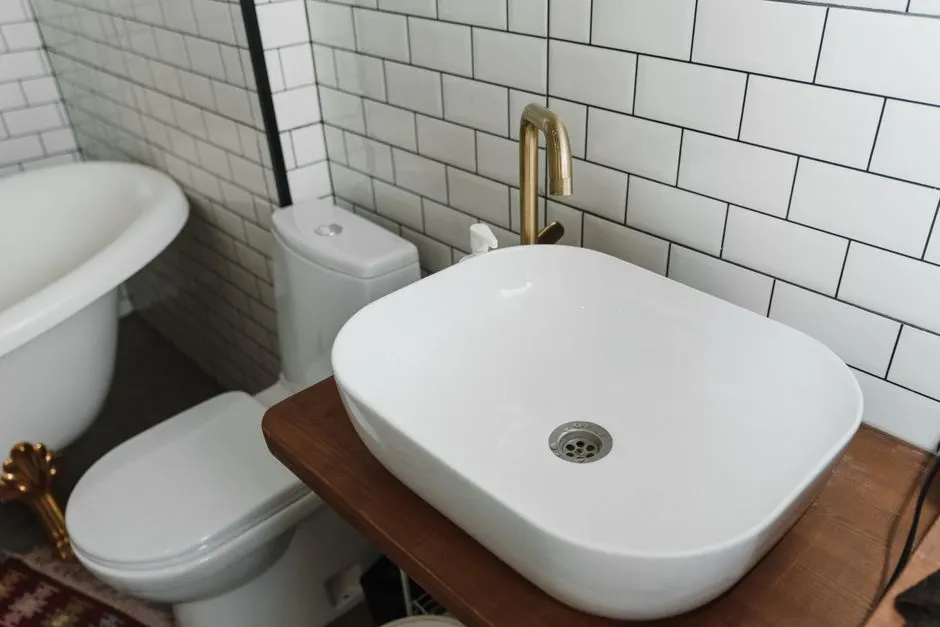
A toilet rough-in is the drain opening and flange set into the floor, plus the measurement from the finished back wall to the center of the drain bolts. Standard is 12 inches, but plenty of Phoenix homes run 10 or 14. When that flange cracks, sits below the floor line, or the wax ring fails, water escapes under the bowl instead of down the drain. Toilet Rough-In Repair Phoenix AZ means resetting the flange, correcting the rough-in measurement, and sealing the fixture so it holds for years.
Most calls come from a toilet that rocks when you sit down, sewer odor in the bathroom, or water staining the floor around the base. In older Phoenix homes, cast iron flanges rust through and break apart. In slab-on-grade builds, the flange can sit too low after a floor remodel. We see this in Encanto, Coronado and Garfield constantly. If you need a toilet rough-in fix near me Phoenix, we can usually get eyes on it the same day.
Every rough-in job starts with pulling the toilet and inspecting the flange, because that is where the real problem lives. Here is what is covered in a standard repair, and what we treat as an add-on if we find it under the floor.
We shut off the supply, drain the tank, disconnect the line, and pull the toilet onto a drop cloth. After the flange work is done, we reset the bowl straight on new flange bolts and tighten it evenly so it does not rock.
A fresh wax ring and new flange bolts are included on every job. Old wax gets scraped off with a putty knife so the new ring seats clean. This is the seal that keeps water and sewer gas out of your bathroom.
We check the flange for cracks and rust, and confirm it sits at the correct height relative to the finished floor. If it is low, we add a flange extender. If it is broken, we quote the cut-out before we start.
We caulk around the base with a mold-resistant sealant after the toilet is set. That keeps mop water and spills out of the subfloor and stops the bowl from shifting. The bead is left clean, not smeared.
We check the supply line and shut-off valve while the water is off. If the line is brittle or the valve drips, we can replace it during the same visit so you are not dealing with a second leak next month.
We flush the toilet several times and watch the base, the supply connection and the tank refill. When everything is dry, we walk you through what we found and what we did, so you know exactly what changed.
We shut the supply line at the shut-off valve, flush the tank dry, and disconnect the supply. Then we pull the toilet and set it on a padded drop cloth. You get a look at the flange and the subfloor before we touch anything, so there are no surprises.
We check the toilet flange for cracks, rust, and height. On cast iron flanges we look for rot at the closet bend. If the flange is broken, we cut it out and set a new one. If it is low, we add an extender. This is the step that decides whether the repair holds.
Old wax, caulk and debris come off the flange and the floor. We scrape with a putty knife, wipe the surface dry, and check the flange bolts. A clean mating surface is what lets the new wax ring seal properly the first time.
We set a new wax ring, drop the toilet straight down onto the flange bolts, and tighten evenly. No rocking, no over-tightening. Then we caulk the base with a mold-resistant sealant and reconnect the supply line.
We flush the toilet several times, check for leaks at the base and the supply, and watch the tank refill. If anything weeps, we fix it before we leave. Drop cloths come up, the floor gets wiped, and you get a walkthrough of what we did.
Purpose-built equipment, used by trained technicians — so the job is done accurately the first time.
The primary seal between the toilet horn and the flange. We stock standard and jumbo rings so we can match the flange height on the first visit.
Used when the existing flange is cracked, rusted or sitting below the finished floor. A correct-height flange is what keeps the wax ring from being crushed.
New bolts hold the toilet to the flange and keep it from shifting. We replace them on every rough-in job because old bolts are usually rusted and snap on removal.
The wrench handles supply lines and tank bolts. The putty knife scrapes old wax and caulk off the flange so the new ring seats on a clean surface.
We run a camera into the drain when a clog or a deep flange problem is suspected. It shows the closet bend and confirms whether a rough-in repair will solve the issue.
Used to clear blockages in the trapway and drain before the toilet is reset. Clearing the line first prevents a fresh seal from being stressed by a backup.
Applied around the base after the toilet is set. It keeps mop water and spills out of the subfloor and stops the bowl from shifting on the flange.
A 1962 Encanto home had a toilet that rocked badly and smelled of sewer gas. The cast iron flange was cracked in two places and the wax ring had failed completely. Water had stained the tile grout around the base.
We cut out the old flange, installed a new PVC flange at the correct height, set a new wax ring and flange bolts, and reset the toilet. The bowl sits flat with no rocking, and the sewer odor is gone. Total job time was about three hours.
After a bathroom remodel in Arcadia, the new tile left the flange sitting about 3/8 inch below the finished floor. The toilet leaked at the base on every flush and the wax ring was crushed flat within a month.
We pulled the toilet, installed a flange extender to bring the flange to code height, replaced the wax ring, and reset the bowl. The leak stopped immediately and the toilet has stayed dry through repeated flush tests.
A Downtown Phoenix condo owner called on a Saturday about sewer odor in the guest bathroom. The toilet was not leaking visibly, but the wax ring had dried out and the flange bolts were loose, letting gas escape around the base.
We pulled the toilet, scraped the old wax, set a new ring, replaced the flange bolts, and caulked the base. The odor was gone by the time we left, and we flushed the toilet six times to confirm the seal held.
Most rough-in failures show up as small symptoms first. Catch them early and you avoid subfloor damage, sewer odor and a full toilet replacement. Here are the problems we see most in Phoenix homes.
Ask a pro →We pull the toilet, check the flange and floor contact, and reset the bowl with proper shims and new bolts. If the flange is cracked, we replace it. The toilet goes back down flat and stays flat.
We pull the toilet, scrape the old wax, and set a new ring on a clean flange. If the flange is low or cracked, we correct it first. The odor is gone once the seal is airtight.
We find where the water is coming from, usually the wax ring or a cracked flange. We reset the flange height, install a new ring, and caulk the base so the leak stops at the source.
We measure the rough-in before the new toilet goes down. If it is not 12 inches, we tell you which fixture to buy or correct the flange position so a standard toilet fits correctly.
Most rough-in repairs in Phoenix run $180 to $450 in 2026, and a broken flange that needs cutting out can push it to $650. The price covers pulling the toilet, replacing the wax ring, resetting or extending the flange, new flange bolts, and caulking the base. If the flange is cast iron and rusted through, that is the main thing that moves the number.
Yes, same-day rough-in repair is usually possible when you call before early afternoon. We carry wax rings, flange extenders, flange bolts and supply lines on every truck, so most jobs finish in one visit. If the flange needs a full cut-out on a cast iron drain, we may schedule a second trip for the concrete work.
A toilet rough-in is the drain pipe and flange set into the floor, plus the measurement from the finished back wall to the center of the flange bolts. Standard is 12 inches, but 10 and 14 show up in older Phoenix homes. The rough-in is what the toilet sits on and seals against, so it has to be level, solid, and at the right height.
Measure from the finished wall behind the tank to the center of the two flange bolts, not the wall to the back of the bowl. If you get 12 inches, a standard toilet fits. Ten or 14 means you need a matching rough-in toilet. Get this wrong and the tank hits the wall or you get a gap you cannot caulk away.
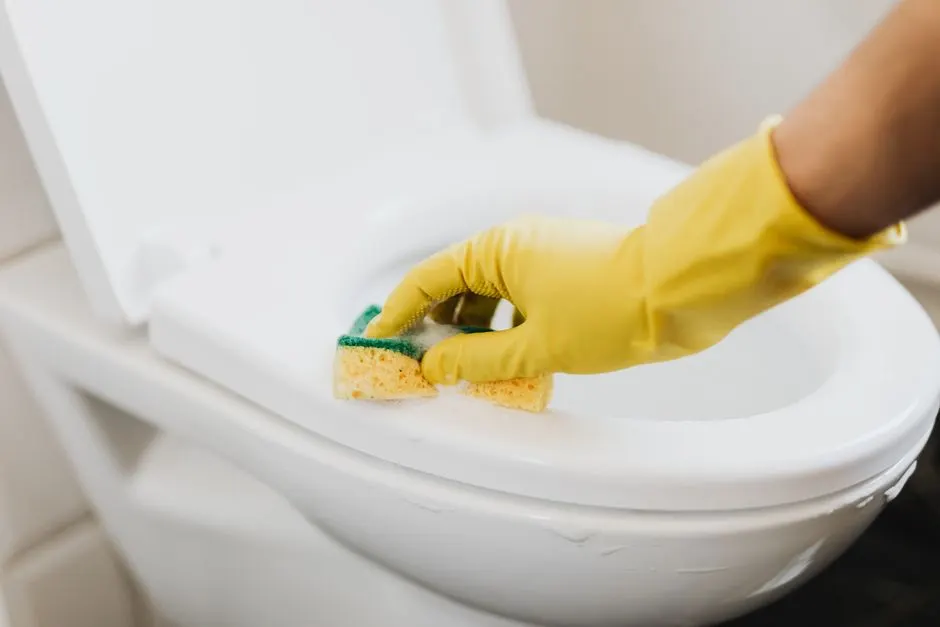 Toilet InstallationA new toilet only fits right if the rough-in measurement is correct. We measure before the box is opened, set the new fixture on a fresh wax ring, and confirm the flange height so the install does not leak at the base.Explore →
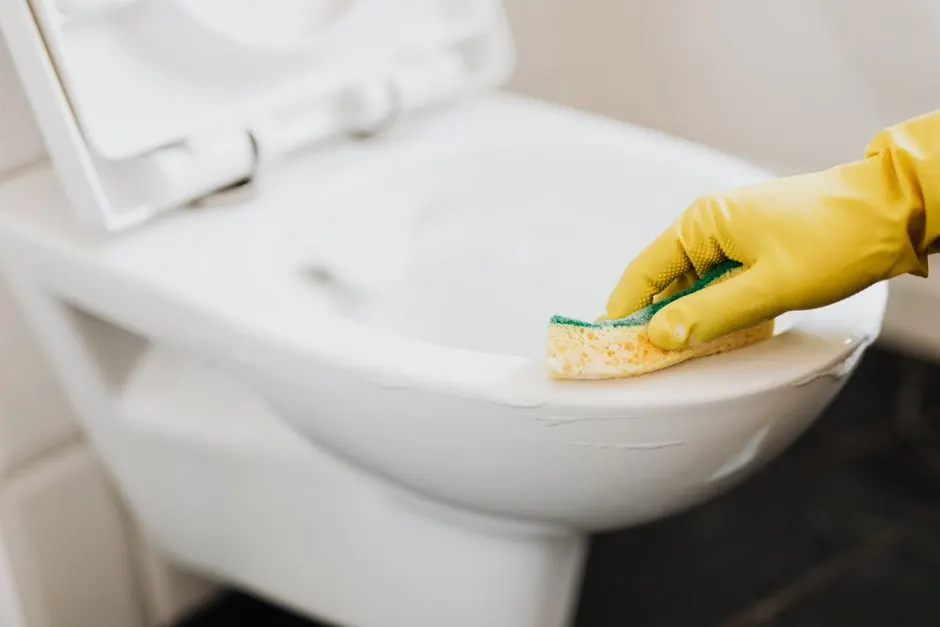 Toilet ReplacementWhen the flange is sound but the toilet is cracked or 20 years old, we swap the fixture and reset the seal. If the rough-in is off, we correct it during the replacement so the new bowl sits flush against the wall.Explore →
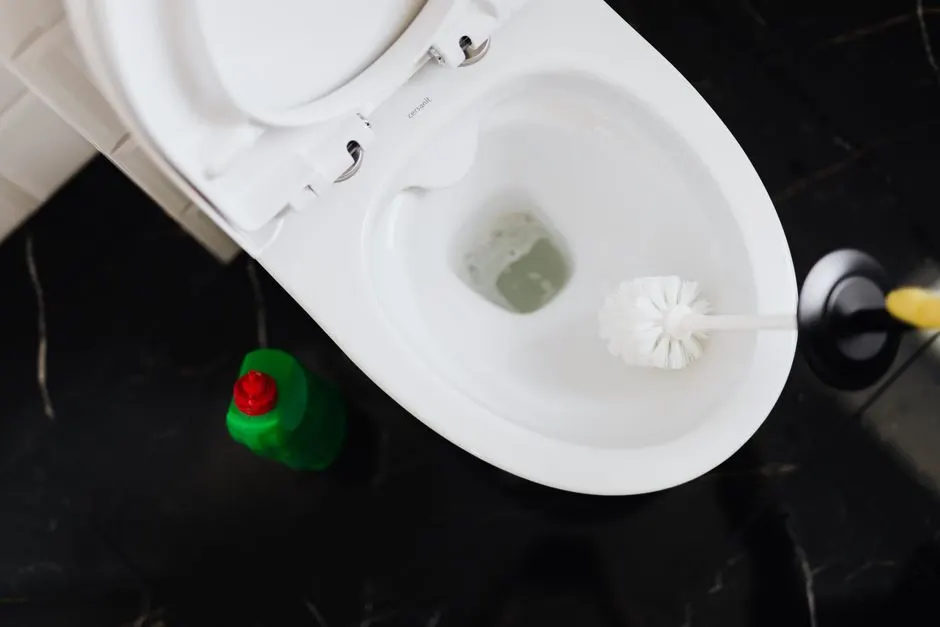 Running Toilet RepairA running toilet wastes water and can hide a bigger issue. We replace the flapper, fill valve or flush valve, then check that the rough-in seal is dry. Constant water at the base is often a wax ring problem, not a tank problem.Explore →
 Leaking Toilet RepairWater at the base of the toilet usually means a failed wax ring or a cracked flange. We pull the bowl, inspect the flange, and reset the seal. Fixing the leak at the rough-in is what stops the subfloor damage.Explore →
 Clogged Toilet RepairWe clear clogs with a toilet auger or plumber's snake, then check the flange and seal while the toilet is up. A clog that keeps coming back can mean a rough-in issue or a venting problem, and we check both.Explore →
 Toilet Tank RepairTank leaks, cracked lids and loose handles get fixed fast. While we are in there, we check the supply line and shut-off valve, since a failing valve can drip onto the rough-in and rot the floor over time.Explore →Toilet Bowl RepairCracks, chips and hairline fractures in the bowl mean replacement, not patching. We pull the bowl, inspect the flange, and reset the new one on a fresh wax ring so the seal is correct from day one.Explore →
 Toilet Flush Valve RepairA weak or stuck flush valve causes poor flushing and water waste. We replace the valve, test the flush, and confirm the rough-in seal stays dry through multiple cycles before we leave.Explore →
We are a licensed, insured plumbing contractor with 12 years in the Valley. Call +1 (602) 835-0160 and we will give you a price before we pull the toilet. Same-day and 24/7 emergency slots are available across Phoenix and Maricopa County.
Book Rough-In Repair +16028350160 →Call us at +1 (602) 835-0160 or email info@phoenixtoiletrepairco.com. We answer 24/7 for emergencies and schedule same-day appointments for standard repairs. If you leave a message after hours, we call back first thing in the morning. Most jobs get a plumber to your door the same day.