Toilet rocks and the caulk keeps cracking
We pull the bowl, replace the wax ring, shim the base flat, and tighten the flange bolts evenly before caulking. The bowl stops moving, so the new bead stays intact instead of cracking at the corners.
Toilet Caulking and Sealing Phoenix AZ is the fastest way to stop a rocking bowl, sewer odor, and slow floor damage before it spreads. Our licensed plumbers pull the toilet, inspect the wax ring and flange, then reset and seal the base with a mold-resistant caulk that holds up in desert heat. Whether you need a toilet caulk and seal in Phoenix on a rental turnover or your own home, we handle it same day across Maricopa County.
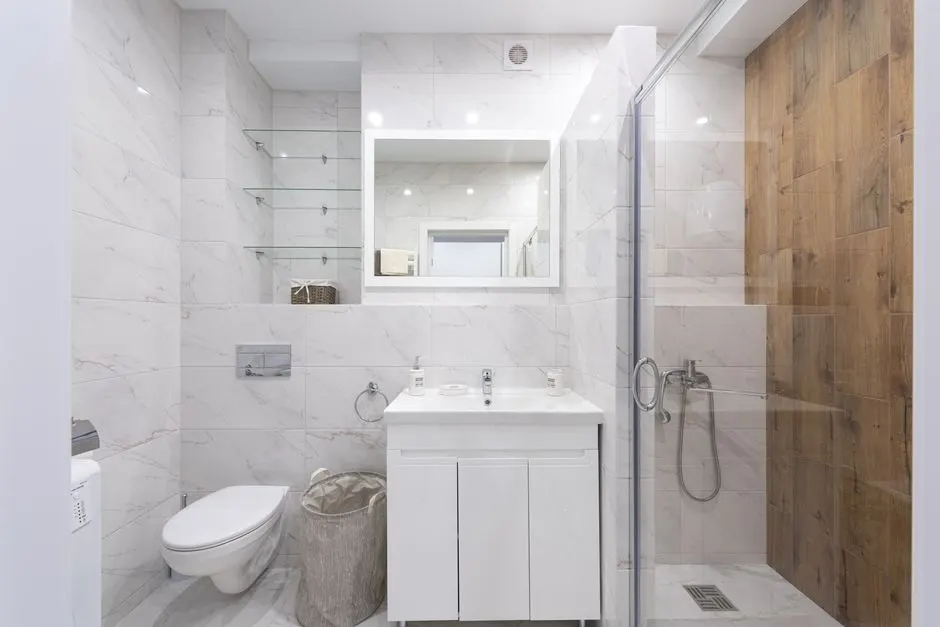
Toilet Caulking and Sealing Phoenix AZ is the plumbing service that re-seals the joint where your toilet base meets the floor after the bowl is pulled, the wax ring is replaced, and the flange is checked for cracks. We scrape off the old caulk with a putty knife, lift the bowl, inspect the toilet flange and flange bolts, then set a new wax ring and tighten the bowl down evenly. Only then do we run a bead of mildew-resistant sealant around the base and smooth it with a caulk tool.
Most Phoenix homeowners call us because the toilet rocks when they sit down, or because they smell sewer gas in a bathroom that otherwise looks clean. In older central Phoenix homes with slab floors, a failed wax ring lets water seep under the tile for months before anyone notices. A toilet caulk and seal in Phoenix is not cosmetic work. It is the barrier that keeps moisture, odor, and insects out of your floor assembly, and it is the last step that proves the wax ring is seated correctly.
Every standard re-seal covers the full reset, not just a bead of caulk around the base. Here is what is included in the base price, and what we quote separately only if we find it during the job.
We shut off the water, drain the tank, and lift the bowl so we can inspect the flange and wax ring. The toilet is reset on a new wax ring and tightened evenly so it does not rock or leak.
A new wax ring is included in every job. We match the ring thickness to the flange height so it compresses correctly. Reusing an old ring is the main reason DIY caulk jobs fail within weeks.
We check the toilet flange and flange bolts for cracks, corrosion, and stripped slots. If the flange needs a repair ring or replacement, we quote it on the spot before doing the work.
Composite shims go under the base at the low spots so the bowl sits flat on the floor. A level bowl keeps the wax ring compressed evenly and stops the rocking that breaks the seal.
We seal the base with a mildew-resistant silicone caulk rated for wet areas, leaving a 1-inch gap at the back so future leaks show on the floor. The bead is tooled smooth for a clean finish.
We wipe the floor, remove old caulk debris, and run a test flush to confirm no water seeps past the base. You get a walkthrough of the finished seal before we pack up.
We close the shut-off valve behind the toilet, flush the tank empty, and sponge out the remaining water so nothing spills when the bowl comes up. This takes about five minutes and protects your flooring. If the shut-off valve is seized, we replace it while we are there.
We lift the bowl straight up and set it on a padded blanket. Then we inspect the wax ring, the toilet flange, and the flange bolts for cracks, corrosion, or a broken closet bend. On older Phoenix homes we often find a cast-iron flange cracked at the slot, which no amount of caulk will fix.
We scrape the old wax off the horn and the flange, set a new wax ring rated for the flange height, and lower the bowl straight down onto the bolts. A second technician guides the bowl so the wax compresses evenly. This is the step that actually stops the leak.
We slide composite shims under the base at the low spots, then tighten the flange bolts in an alternating pattern until the bowl sits flat with no rock. Overtightening cracks porcelain, so we torque by feel and check with a level. The bowl should not move when you push it side to side.
We run a bead of mildew-resistant silicone caulk around the base, leaving a 1-inch gap at the back so a future leak shows itself instead of hiding. We smooth the bead with a caulk tool, wipe the floor, and leave the caulk to cure for 24 hours before the toilet is used for a full flush cycle.
Purpose-built equipment, used by trained technicians — so the job is done accurately the first time.
Used to scrape old caulk and wax off the flange and base, then smooth the new silicone bead for a clean, even finish.
Tightens flange bolts and supply line fittings without stripping the nuts. We torque by feel to avoid cracking the porcelain base.
Runs down the drain and vent when odor or leaks keep coming back. It finds cracked flanges and blockages that are invisible from above.
Clears clogs before we reset the bowl. A backed-up toilet often softens the base caulk, so we clear the line first and re-seal after.
Carried on every truck in multiple thicknesses. We match the ring to the flange height and use a repair ring when the original flange slot is cracked.
Slide under the base at low spots to level the bowl. A level toilet keeps the wax ring compressed evenly and stops the rocking that breaks the seal.
A 1955 home with a toilet that had rocked for months. The caulk line was cracked and black, sewer odor filled the bathroom, and the flange had a cracked bolt slot that no one had noticed.
We installed a flange repair ring, set a new wax ring, shimmed the base level, and sealed it with mildew-resistant silicone. The bowl no longer moves, the odor is gone, and the seal has held through two summers.
A 12-unit building needed bathroom turnovers before inspection. Three toilets had missing caulk at the base and one had a slow leak that stained the vinyl floor near the flange.
We reset all 12 toilets on new wax rings, sealed each base to Uniform Plumbing Code standards, and repaired the leaking flange in unit 7. Every unit passed inspection on the first walkthrough.
A homeowner had new tile installed and the toilet was set back on the old wax ring. The bowl rocked, the caulk cracked within a month, and water was seeping under the new floor at the base.
We pulled the bowl, matched a thicker wax ring to the new floor height, leveled the base with composite shims, and sealed it with silicone. The toilet sits flat on the new tile with no rock and no leaks.
Most calls start with one symptom and turn out to be another. These are the four issues we see most often when homeowners search for toilet caulk and seal near me Phoenix, and how we fix each one.
Ask a pro →We pull the bowl, replace the wax ring, shim the base flat, and tighten the flange bolts evenly before caulking. The bowl stops moving, so the new bead stays intact instead of cracking at the corners.
We locate the source, reset the toilet on a new ring, and seal the base. If the smell persists, we camera-inspect the vent stack the same visit and clear any blockage we find.
We stop the leak at the wax ring or flange, dry the area, and re-seal the base. If the flange is cracked, we install a repair ring so the new seal has a solid surface to sit on.
We seal to Uniform Plumbing Code standards, leave the rear gap inspectors look for, and finish most units in under an hour. Landlords across 85003, 85006, and 85009 use us for turnover work.
Most jobs run $150 to $320 in 2026, including the new wax ring, shims, and caulk. The price climbs if we find a cracked flange, a broken closet bend, or a shut-off valve that will not close. A toilet caulking and sealing Phoenix AZ cost quote is given upfront, before we pull the bowl, so there are no surprises when the work is done.
Yes. Call before 2 p.m. and we can usually seal your toilet the same day across Phoenix and Maricopa County. We keep caulk, wax rings, and flange repair kits on every truck, so the job is finished in one visit. Same-day toilet caulking and sealing Phoenix appointments are available on weekends too.
Phoenix slab floors and summer heat cycles expand and contract the flange, which loosens the wax ring over time. Once the ring shifts, the toilet rocks and sewer gas escapes past the base. Caulking alone will not fix it. We reset the bowl on a new wax ring first, then seal the base so the repair holds.
A 100% silicone caulk rated for mildew resistance and wet areas is the right choice. We use a mold-resistant silicone that stays flexible through desert heat and does not crack like painter's caulk or grout. We leave a 1-inch gap at the back of the base so any future leak shows on the floor instead of hiding under the tile.
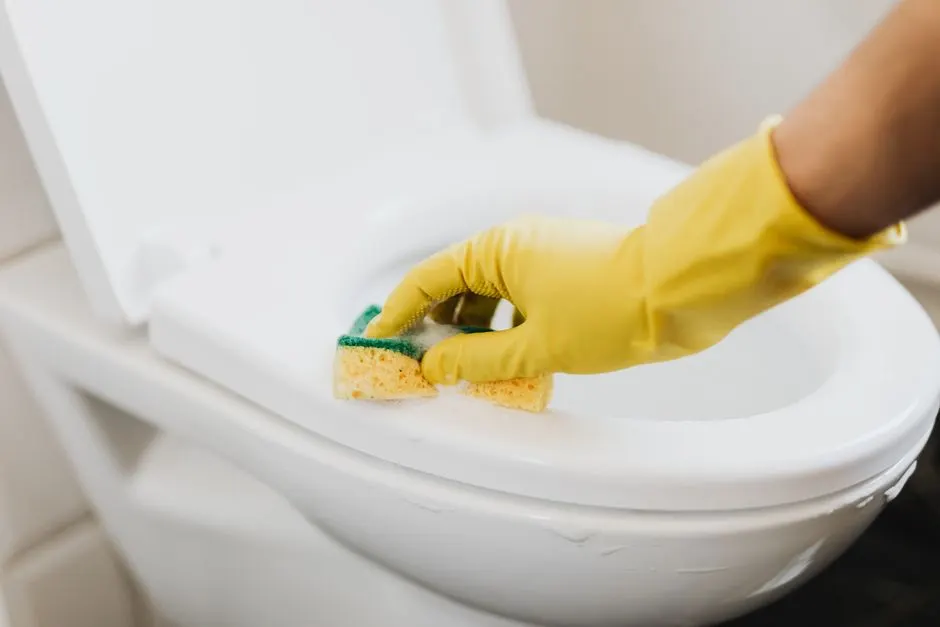 Toilet InstallationNew toilet going in? We set it on a fresh wax ring, level the bowl, and caulk the base in the same visit. Installation and sealing are done together so the flange is inspected before the bowl goes down.Explore →
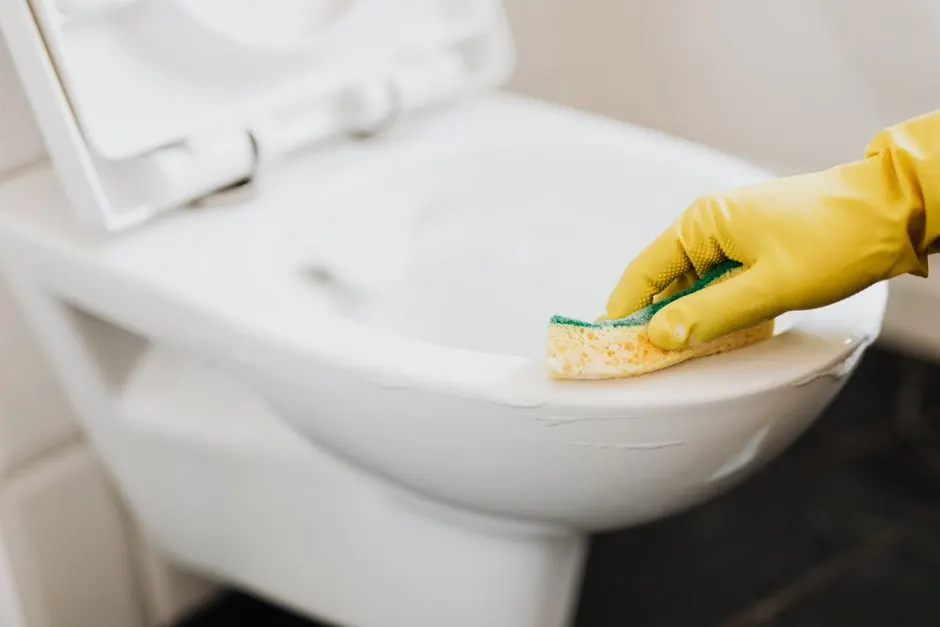 Toilet ReplacementWhen a cracked bowl or failed flange means the toilet has to go, we remove the old unit, repair the flange if needed, and seal the replacement base. Most replacements in Phoenix are finished in under two hours.Explore →
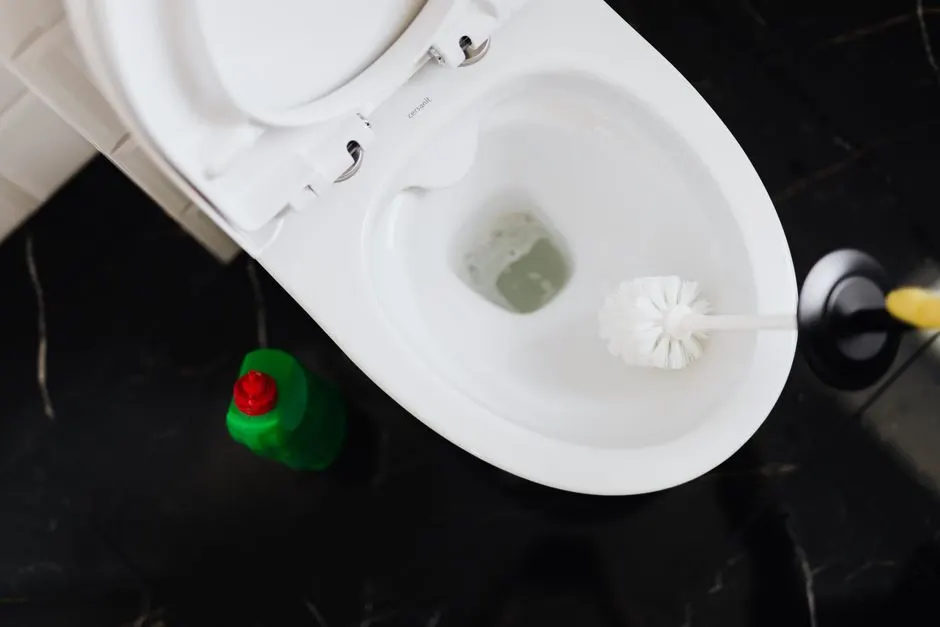 Running Toilet RepairA running toilet wastes water and can overflow the bowl onto the floor. We replace the flapper or fill valve, then re-seal the base if water has softened the caulk line. Fluidmaster and Korky parts are on the truck.Explore →
 Leaking Toilet RepairLeaks at the base, tank, or supply line all show up as water on the floor. We trace the source, fix it, and re-caulk the base once the leak is stopped. Sealing over an active leak just traps water under the tile.Explore →
 Clogged Toilet RepairWe clear clogs with a toilet auger or plumber's snake, then check the base seal. A clog that backed up onto the floor often softens the caulk, so we re-seal the perimeter before we leave.Explore →
 Toilet Tank RepairTank leaks at the bolts or gasket drip onto the bowl and floor. We fix the tank seal, then inspect the base caulk line for water damage and re-seal if the old bead has failed.Explore →
 Toilet Bowl RepairChips, cracks, and loose bowls get repaired or replaced. Once the bowl is secure, we caulk the base to UPC standards so the repair holds and the bathroom stays odor-free.Explore →
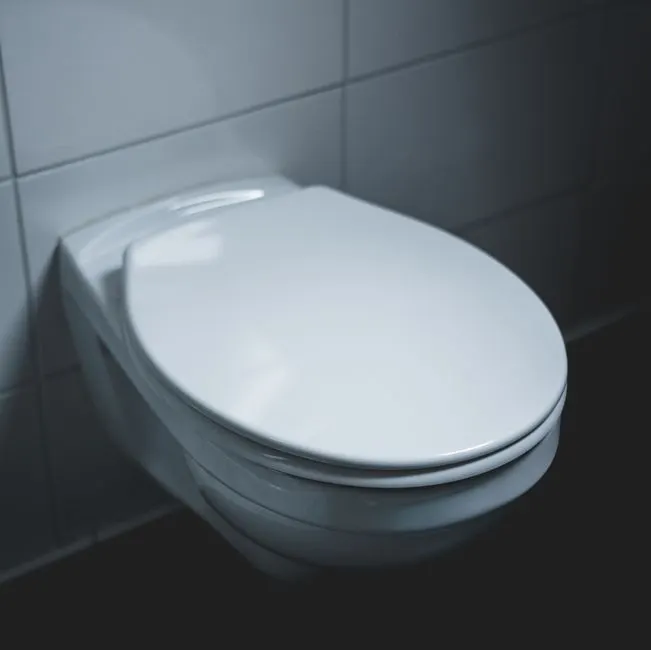 Toilet Flush Valve RepairA worn flush valve leaks tank water into the bowl and can overflow. We replace the valve, test the flush, and re-seal the base if water reached the caulk line during the leak.Explore →
One call and we will pull the bowl, replace the wax ring, inspect the flange, and seal the base so it stays dry and odor-free. Licensed, insured, and warrantied work across Maricopa County. Call now for same-day service.
Call +16028350160 →Call us at +1 (602) 835-0160 or email info@phoenixtoiletrepairco.com. We answer 24/7 for emergencies and schedule same-day appointments for standard repairs. If you leave a message after hours, we call back first thing in the morning. Most jobs get a plumber to your door the same day.