Plunger will not clear the bowl
We run a closet auger through the trapway to reach the blockage a plunger cannot. Most of these clear in under 30 minutes, and we check the wax ring before we leave so you know the seal is intact.
When a plunger stops working, Toilet Auger Service Phoenix AZ is the next step. We run a professional toilet auger through the trapway to break up the blockage without scratching your bowl or damaging the porcelain. Our team handles everything from single-fixture clogs to main-line backups in homes and businesses across Phoenix, Arizona. Call +1 602-835-0160 and we will get your bathroom back in service.
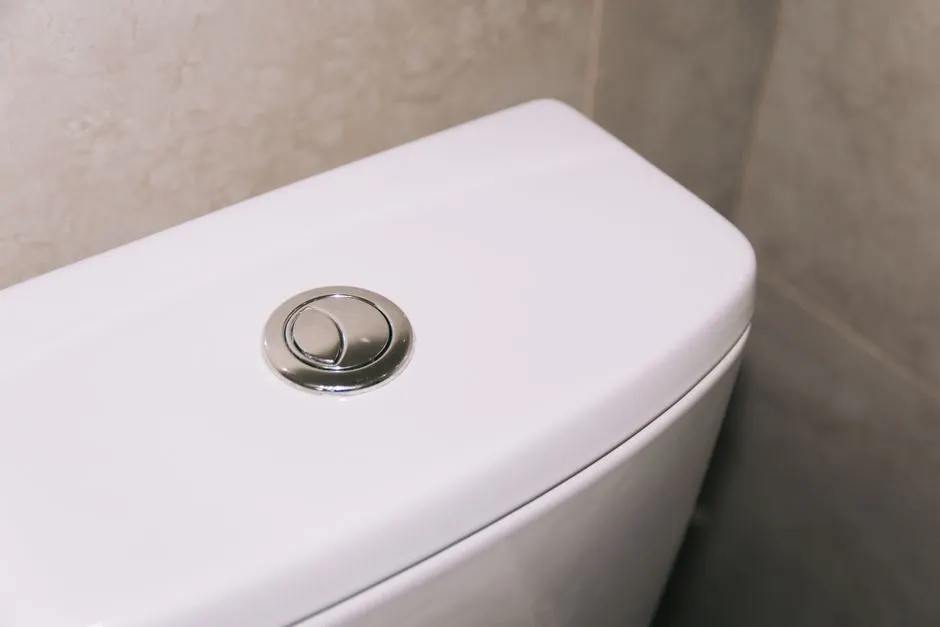
Toilet Auger Service Phoenix AZ is a drain-clearing procedure that feeds a flexible steel cable with a hooked tip through the toilet trapway to break apart or retrieve a blockage. Unlike a plunger, which pushes water and air, an auger physically reaches the clog. We use a handheld closet auger for most residential jobs and a power auger toilet Phoenix setup when the obstruction sits deeper in the branch line or repeats. The cable is shielded at the bowl rim so the porcelain never gets scratched.
Phoenix homes deal with clogs year-round, but the pattern changes with the season. Summer brings hard-water scale and low-flow flushes that leave solids sitting in the trapway. Winter visitors and short-term rentals push older American Standard and Gerber toilets harder than they were designed for. If you search toilet augering near me Phoenix after a holiday weekend, you are not alone. We keep augers on every truck so a same-day toilet auger service Phoenix call is usually handled in one visit.
Every auger visit covers the clog itself plus a basic flush check. If the auger exposes a worn part, we quote it separately and let you decide. Here is what is standard on a Phoenix Toilet Repair Co auger call.
We feed a shielded auger cable through the bowl and into the trapway, working the clog until it breaks up or hooks out. This covers the most common residential clogs in Phoenix. We flush and verify before calling the job done.
After clearing the line, we flush three to five times and watch the water level. If the flush is weak, we check the flapper, fill valve, and tank water level. A weak flush is often why the same toilet clogs again.
We check for a rocking bowl, water at the base, and loose flange bolts. If the wax ring has failed, we quote a replacement. Catching a bad ring early prevents subfloor damage and sewer odor.
We lay a drop cloth, wear shoe covers, and wipe down the bowl, floor, and surrounding area before we leave. You should not have to clean up after a plumber. If we pulled the toilet, we reset it and caulk the base.
You get the auger price before we start. If we find a worn Fluidmaster fill valve, a Korky flapper, or a damaged flange, we give you the part cost and labor to fix it. You choose what to do. No pressure, no surprise invoice.
We ask three questions: is the bowl full, does it back up into the tub or shower, and how many fixtures are affected. If it is one toilet, it is an auger job. If multiple fixtures are backing up, it is a main-line issue and we bring different equipment. This call takes about five minutes.
Our technician lays a drop cloth, checks the water level, and looks at the flush. A weak flush points to a fill valve or flapper problem underneath the clog. We also check the shut-off valve so we can isolate the fixture if the auger needs a water-free bowl.
We feed the auger cable through the bowl and into the trapway, cranking clockwise as it goes. When the head meets resistance, we work it back and forth until the blockage breaks up or hooks. Most residential clogs release in two to five minutes of steady work.
We flush three to five times at full volume and watch the water level. If it rises, the line is not clear and we go back in. We also check for wax ring failure or a rocking toilet, because a loose bowl can mean a damaged flange underneath.
We wipe the bowl, the floor, and the surrounding area, then show you what came out and what we found. If a worn flapper or fill valve contributed to the clog, we tell you the part cost and let you decide. No pressure, no upsell script.
Purpose-built equipment, used by trained technicians — so the job is done accurately the first time.
The first tool we reach for on a standard toilet clog. The cable is enclosed in a sleeve that protects the porcelain while the hooked head grabs or breaks up the blockage in the trapway.
Used when the clog is deeper in the branch line or the line has heavy scale. The motor turns the cable at a steady speed, which is safer on older pipes than forcing a hand auger.
A longer cable for branch lines and main drains. We switch to a snake when the auger clears the toilet but the line still drains slowly. Different cable sizes match different pipe diameters.
A waterproof camera on a reel that shows the inside of the pipe. We use it when the same toilet clogs repeatedly, so we can see scale, roots, or a broken flange instead of guessing.
Standard tools for pulling a toilet when the clog requires it. The wrench handles flange bolts and supply lines; the putty knife removes old wax from the flange before we set a new ring.
Protects your flooring and keeps the work area clean. We lay the cloth before we start and wipe down the bowl and floor before we leave, so you are not cleaning up after us.
A homeowner in Arcadia had a fully backed-up toilet on Thanksgiving morning. The plunger had been used a dozen times, the bowl was full to the rim, and water was starting to seep at the base. Guests were arriving in three hours.
We isolated the water, augered the trapway, and pulled out a wad of paper towels and wipes. The toilet flushed clean in 35 minutes. We replaced the wax ring because the seepage had compromised it, and the base was dry before guests arrived.
A family in Ahwatukee had the same hall bathroom toilet clog every three to four weeks for six months. Plunging worked temporarily, but the flush was getting weaker and the bowl gurgled after every use.
We augered the trapway, then ran a camera and found heavy scale narrowing the pipe to about half its original diameter. We replaced the fill valve and flapper to restore full flush volume. The toilet has not clogged in the months since.
A toddler in Deer Valley flushed a small plastic toy. The toilet would not drain, and the water level stayed high. The parents had tried a plunger, which pushed the toy further into the trapway.
We used an auger with a retrieval hook and pulled the toy out in about 25 minutes without scratching the bowl. We flushed five times to verify, checked the wax ring, and the toilet has worked normally since.
Not every clog is the same. Here are the Phoenix toilet problems an auger is built to fix, and what happens if you leave them alone.
Ask a pro →We run a closet auger through the trapway to reach the blockage a plunger cannot. Most of these clear in under 30 minutes, and we check the wax ring before we leave so you know the seal is intact.
We auger the toilet first, then run a larger snake or camera down the branch line if the backup repeats. In older Phoenix homes with cast-iron drains, we check for scale and roots before we call it clear.
We auger the line, then check flush volume, the fill valve, and the vent. If the line needs a camera inspection, we do it and show you the footage. Fixing the cause stops the repeat calls.
We isolate the water at the shut-off valve, auger the trapway, and test with multiple flushes. If the water still rises, we move to the branch line. You get a clear answer on what is causing it and what it takes to fix.
Most residential auger jobs in Phoenix run $150 to $350 in 2026, and the price is quoted before we start. A standard single-toilet clog sits at the lower end. A power auger job, a clog that requires pulling the toilet, or after-hours dispatch pushes toward the top of that range. If the auger clears the line in one pass, you pay the quoted price and nothing more.
Yes. Same-day toilet auger service Phoenix is our standard, and most calls placed before 3 p.m. are handled the same afternoon. We keep handheld and power augers on every truck, so there is no equipment delay. If you call after hours, we dispatch to the nearest available technician and quote the emergency rate before we roll.
You need an auger when a plunger has failed two or three times and the bowl still fills. That usually means the clog is past the trapway, where a plunger cannot reach. Other signs: the toilet flushes slowly, gurgles, or backs up into the tub. In Phoenix, hard-water scale and low-flow flushes make trapway clogs common, especially in older homes.
A toilet auger is built for toilets: a shorter cable with a protective sleeve that keeps the bowl from getting scratched. A plumber's snake is longer and meant for branch lines and main drains. Using a snake in a toilet can crack the porcelain or miss the trapway entirely. We start with an auger and only move to a snake or camera if the clog is deeper.
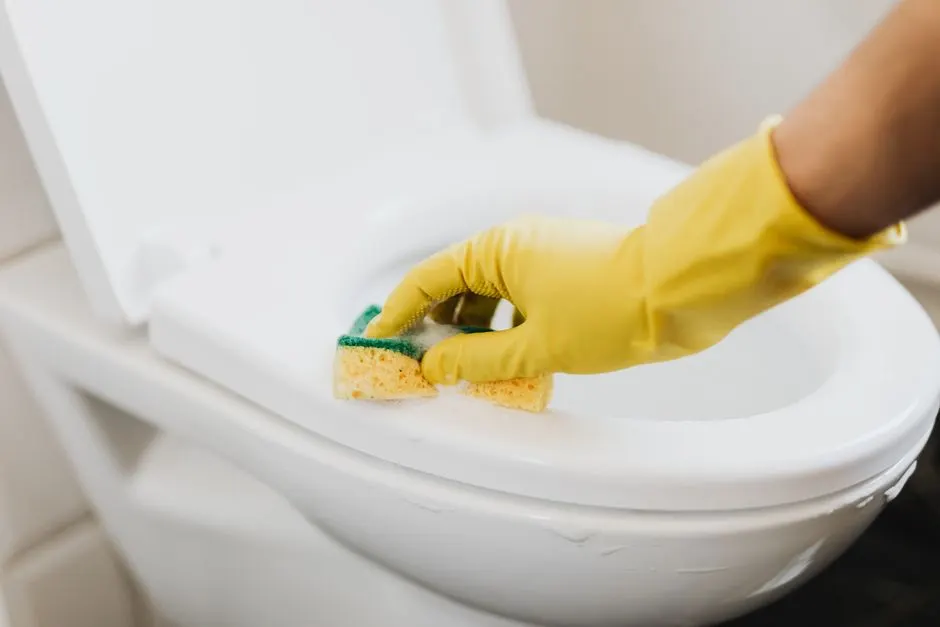 Toilet InstallationIf your toilet is cracked or too old to keep repairing, we install new Kohler, American Standard, or Toto models. We set the wax ring, level the bowl, and test the flush before we leave. Auger work often turns into a replacement conversation when the porcelain is already damaged.Explore →
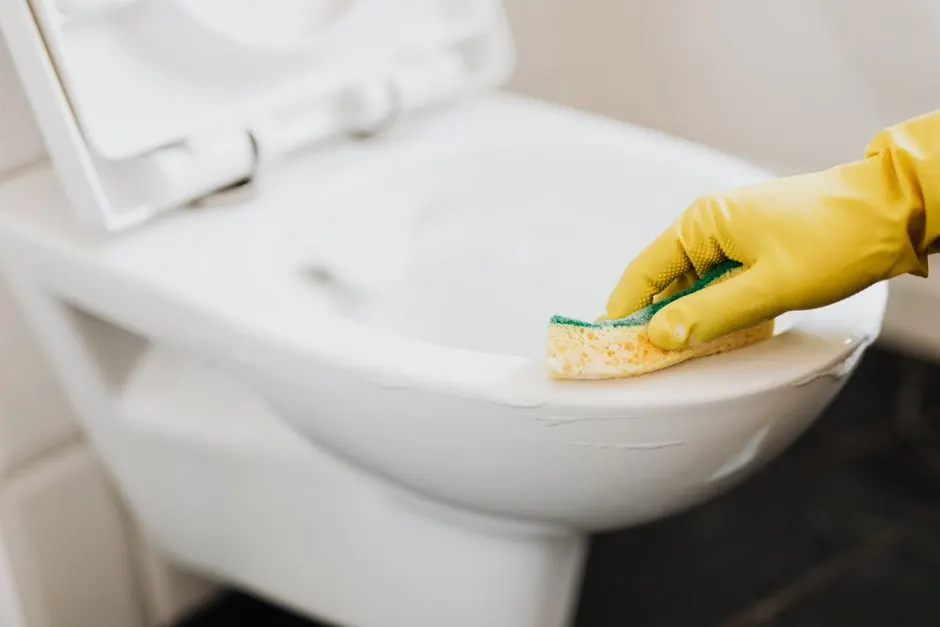 Toilet ReplacementA toilet that clogs every month is usually a bad flush design, not a user problem. We replace older high-flow units with EPA WaterSense models that use 1.28 gallons per flush. That reduces the volume of water sitting in the trapway and lowers clog frequency.Explore →
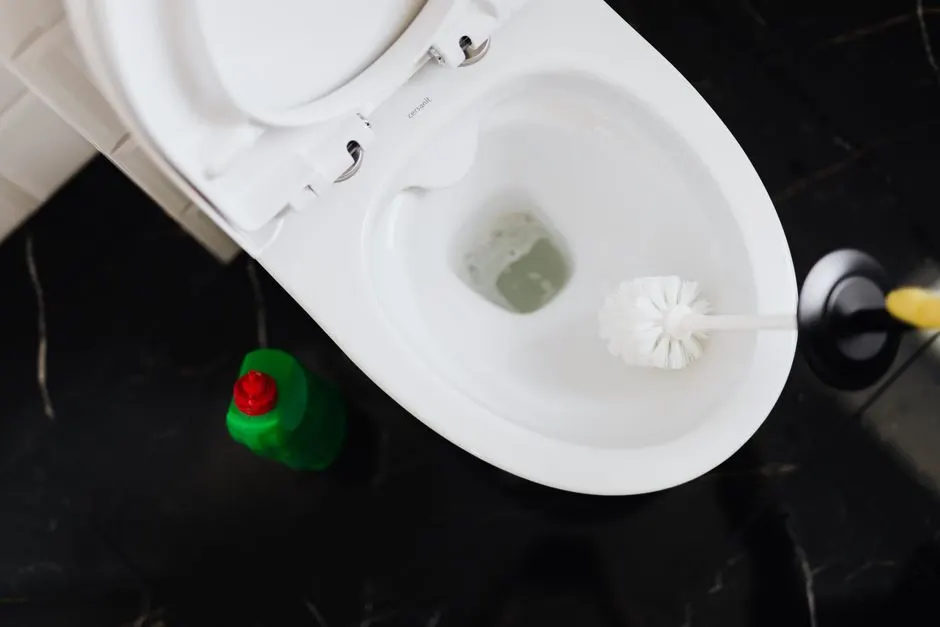 Running Toilet RepairA running toilet wastes hundreds of gallons a month and can mask a clog by keeping the bowl full. We replace worn flappers and fill valves with Fluidmaster or Korky parts. Fixing the run first makes the next auger job easier to diagnose.Explore →
 Leaking Toilet RepairWater at the base of the bowl usually means a failed wax ring or a loose flange. We pull the toilet, inspect the flange, and reset it with a new wax ring and bolts. A leak left alone rots the subfloor, which turns a $200 repair into a much bigger job.Explore →
 Clogged Toilet RepairThis is the parent service to augering. We diagnose whether the clog is in the trapway, the branch line, or the main. If an auger clears it, great. If it returns, we scope the line and find the real cause, whether that is scale, roots, or a belly in the pipe.Explore →Toilet Tank RepairCracks, leaks at the tank bolts, and condensation are common in Phoenix attics and garages where toilets sit in heat. We replace tank-to-bowl gaskets, bolts, and seals. A tank that loses water overnight can make a clog look worse than it is.Explore →
 Toilet Bowl RepairChips, hairline cracks, and loose bowls are safety issues. We assess whether the bowl can be reseated or needs replacement. If the flange is broken, we repair that too, because a rocking bowl will eventually break the wax seal and leak.Explore →
 Toilet Flush Valve RepairThe flush valve is the large opening at the bottom of the tank. When its seal wears out, water leaks into the bowl and the flush weakens. We replace the seal or the whole valve assembly, restoring full flush volume so clogs flush through instead of settling.Explore →
We are a licensed, insured plumbing company that has served Phoenix since 2014. Call +1 602-835-0160 and we will quote your auger job before we roll a truck. Same-day and 24/7 emergency dispatch available across Maricopa County.
Call Now +16028350160 →Call us at +1 (602) 835-0160 or email info@phoenixtoiletrepairco.com. We answer 24/7 for emergencies and schedule same-day appointments for standard repairs. If you leave a message after hours, we call back first thing in the morning. Most jobs get a plumber to your door the same day.